

 Winter White Signature Collection
Community Projects
Wildflower Planting for Biodiversity and Beauty
Apr
Spring is here, and with it comes the opportunity to bring colour and life to our surroundings. The Flower Fountain Florists like taking advantage of this opportunity by planting wildflowers in open spaces around town. Recently, Mark has been out scattering some wildflower seeds at the top of Blurton Road where you turn to go to the scout hut. Some work has been done and left bare soil, ideal for new seeds. As well as, just off the roundabout on the way to Fenton where the Council have cut back trees and bushes to leave bare soil which could do with brightening up (it could do with a LOT more seeds there as we ran out!). And also a patchy grassy area in front of J & U Services (Mechanical Engineering and Commercial Boiler Specialists) on Blurton Road, next to Dougie Mac. All of these areas are perfect for wildflowers because the exposed soil and the patchy grassed areas were not being used to their full potential and the wildflower seeds won’t need to ‘compete’ with grass and weeds.
Our wildflower seeds were from a Kew Gardens initiative ‘Grow Wild‘ for Native England wildflower seeds. This initiative promotes the importance of wildflowers in our ecosystem, and how planting wildflowers can help to support biodiversity, improve soil quality, and reduce erosion. Wildflowers also provide food and shelter for many species of insects, birds, and mammals, making them an essential part of our ecosystem.
Why do wildflowers matter? According to Kew Gardens, wildflowers support a wide range of pollinators, including bees, butterflies, and moths, which are essential for the reproduction of many plants. Pollinators are responsible for one in every three bites of food we eat, and without them, our food supply would be severely impacted. Unfortunately, many of our pollinator species are in decline due to habitat loss, pesticides, and other factors.
By planting wildflowers, we can help to create habitats for pollinators and other species and support the overall health of our ecosystem. Wildflowers also add beauty and colour to our surroundings, creating a more natural and inviting atmosphere.
We challenge you to follow in our footsteps and spread wildflower seeds in open areas, ideally where there is bare soil. Also forgotten roadways where there is soil! A drive through the city will be more pleasant with a splash of colour. By doing so, you can help to bring back England’s biodiversity and support our pollinators. Wildflowers are easy to grow and maintain, and if there is enough interest we could bulk-buy seeds and create our own mix in smaller packets to purchase so you can help spread the colour!
So let’s follow Mark’s lead and spread wildflower seeds on open areas to help bring back England’s biodiversity and support our ecosystem.
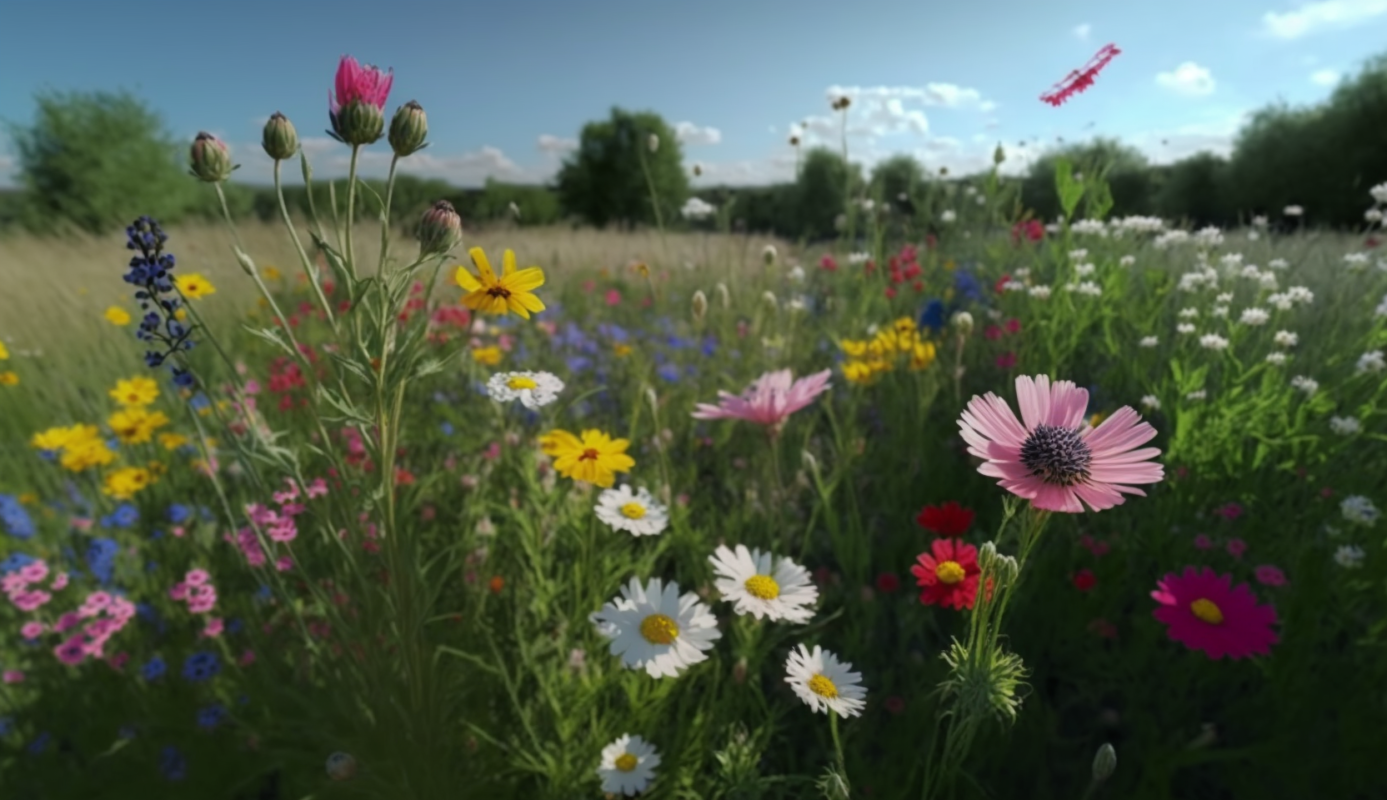
The Seed mixture used was: betony, common knapweed, corn marigold, corn poppy, corncockle, cornflower, cowslip, musk mallow, oxeye daisy, red campion, selfheal and last but not least, yarrow.
