

Occasions
The Evolution of Valentine’s Day and its Effect on the Floral Industry
Feb
Valentine’s Day is a holiday celebrated annually on February 14th, and it has become synonymous with the expression of love and affection between intimate companions. Whether it’s between romantic partners, friends, or family members, the holiday has become a time to celebrate relationships and the special bond that exists between loved ones. The origins of Valentine’s Day date back to ancient times and its evolution has shaped it into the widely celebrated holiday it is today.
The Origin of Valentine’s Day
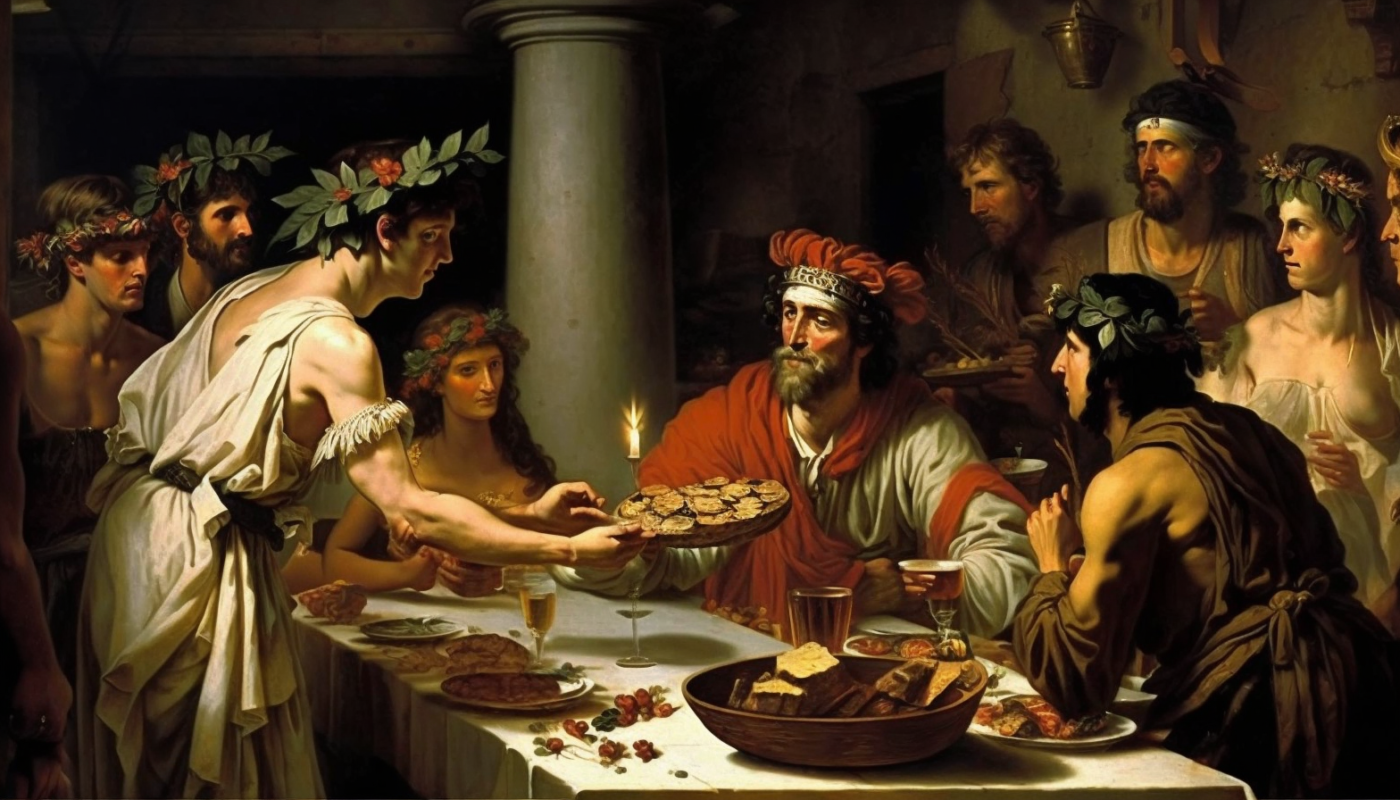
The earliest origins of Valentine’s Day can be traced back to the ancient Roman festival of Lupercalia, which was celebrated on February 15th. The festival was dedicated to the god Lupercus and was associated with the coming of spring. During the festival, there was feasting, drinking, and gift-giving, as well as the pairing of young men and women for the purpose of matchmaking.
When the festival was incorporated into the Christian calendar as St. Valentine’s Day, the tradition of matchmaking was continued. St. Valentine was a martyr who was executed on February 14th, and the holiday became a time to honour his memory and celebrate love. As the holiday developed, it became associated with the exchange of gifts and handwritten messages, and by the 16th century, it had become a widespread celebration of love and romance.
The Development of Valentine’s Day
The popularity of Valentine’s Day continued to grow, and by the 19th century, it had become a custom to send Valentine’s cards to loved ones. In addition to cards, the exchange of gifts, including flowers, chocolates, and other tokens of affection, became a popular tradition. This gave rise to a new industry, floristry, which was largely driven by the demand for flowers on Valentine’s Day.
The holiday continued to evolve over time, and by the 20th century, it had become a popular time for couples to celebrate their love with romantic getaways, fine dining experiences, and other indulgent activities. This led to the development of a thriving tourism industry, as couples around the world sought out romantic destinations to celebrate Valentine’s Day.
The Impact of Valentine’s Day on the Floral Industry
The impact of Valentine’s Day on the floral industry has been profound. The demand for flowers on Valentine’s Day has increased dramatically over the years, with florists preparing for the holiday months in advance. Roses, in particular, have become a popular choice for Valentine’s Day gifts due to their association with love and romance. Other popular flowers for the holiday include tulips, carnations, and lilies, and these are often given in bouquets or arrangements, accompanied by gifts such as chocolates, teddy bears, and other tokens of affection.
The popularity of Valentine’s Day has also led to the development of new products, such as scented candles, bath and body products, and jewellery, all of which have become popular gifts for the holiday. This has helped to diversify the floral industry and has made it more resilient to economic fluctuations and changes in consumer preferences.
The Cultural Significance of Valentine’s Day
In addition to its impact on the floral industry and tourism, Valentine’s Day has become a significant cultural holiday. It is a time for expressing love and affection, and it has become a way for people to celebrate their relationships and the special bond that exists between loved ones. It is a holiday that transcends borders, and it is celebrated by people of all ages, backgrounds, and cultures around the world.
