

Plants & Gardening
How to Dry Hydrangeas at Home: A Late-Summer Florist’s Guide
Aug
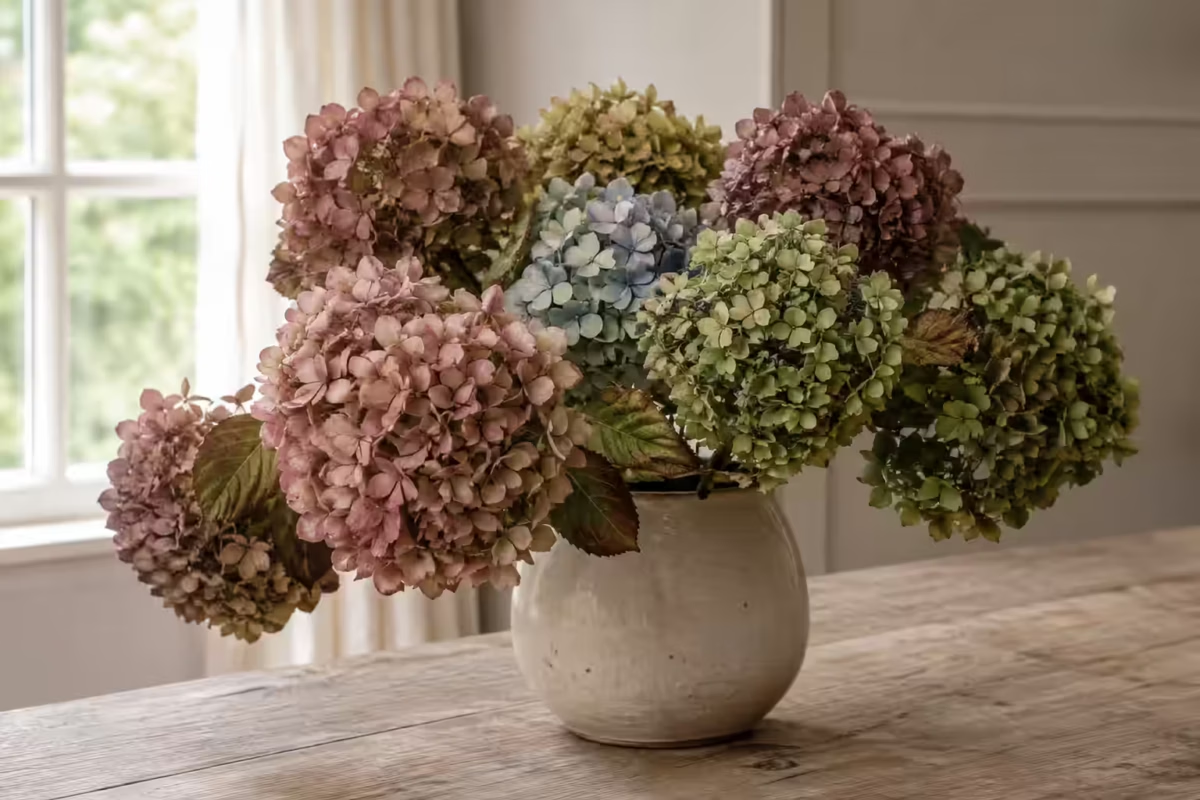
Late summer is one of the best times to dry hydrangeas because mature flower heads have begun to feel papery and contain less moisture than newly opened blooms. Cut them at the right stage, remove the leaves and let them dry slowly in a vase or hang them in a cool, airy place away from direct sunlight.
The quick answer
Wait until the hydrangea head feels slightly dry and papery rather than soft and fresh. Cut on a dry day, strip away the leaves and place a few stems loosely in a vase with a small amount of water. Keep the vase somewhere cool, dry and out of strong light, then allow the water to evaporate naturally. The flowers should gradually dry while retaining more of their shape.
When should you cut hydrangeas for drying?
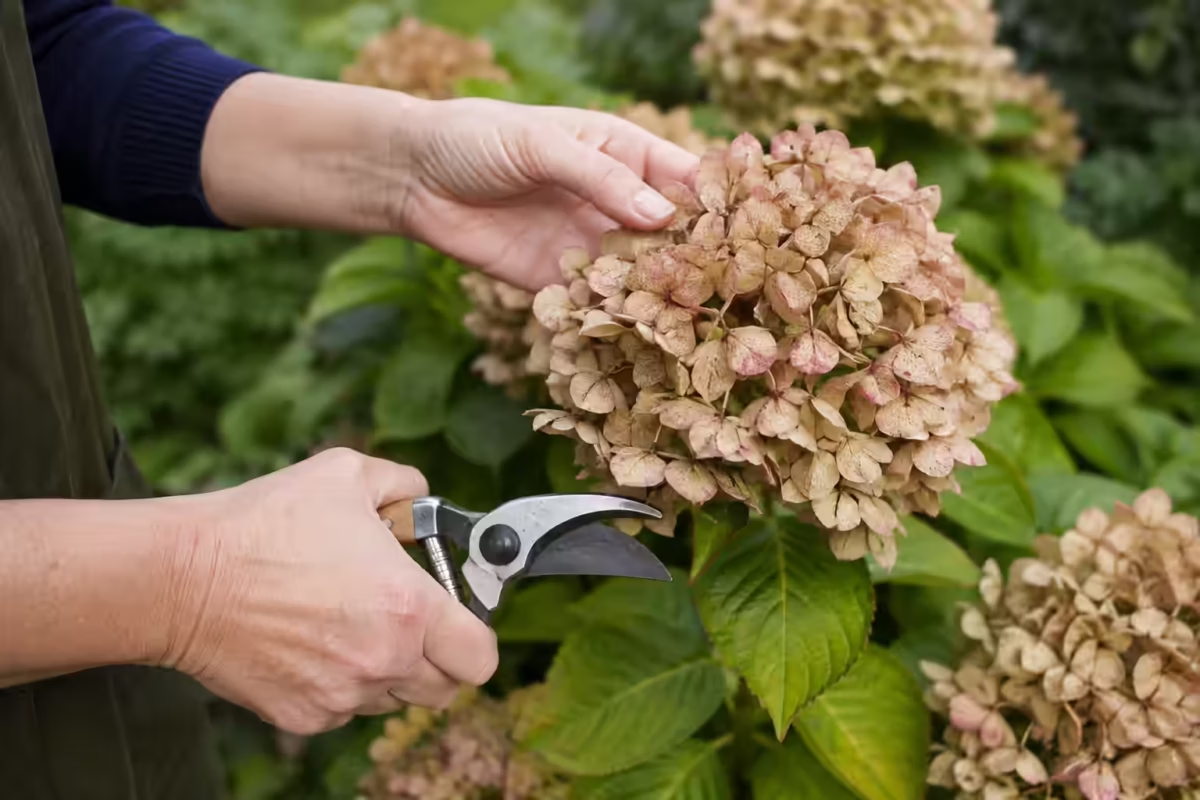
The right timing matters more than any special product. A hydrangea cut at its fresh, soft peak usually holds too much moisture and may wilt or shrivel instead of drying attractively. Leave the flower head on the plant until its colour begins to soften or develop a muted, vintage look and the petals feel more like paper than fresh tissue.
Ready to cut
- Petals feel dry or papery
- Colour has softened naturally
- The head feels firm rather than floppy
- Weather and flowers are dry
Leave it longer
- Petals are soft and full of moisture
- The bloom has only just opened
- The head is wet from rain or dew
- The stem or flower is damaged
Different varieties and garden positions mature at different rates, so judge the flower itself rather than relying on a fixed date. In Stoke-on-Trent and Newcastle-under-Lyme, late-summer weather can change quickly; choose a dry spell and avoid cutting immediately after rain.
How to dry hydrangeas in a vase
The vase method sounds surprising because it starts with water, but the small amount of water allows the flowers to dry more gradually. Slow drying can help the heads keep their rounded shape instead of collapsing.
Five simple steps
- Choose mature blooms. Select undamaged heads that already feel papery.
- Cut cleanly. Use clean, sharp secateurs and leave a useful length of stem for your intended display.
- Remove every leaf. Leaves hold moisture and can decay before the flower head dries.
- Use a little water. Put the stems in a clean vase with a shallow amount of water and do not overcrowd them.
- Leave them undisturbed. Place the vase in a cool, dry position with gentle airflow and no direct sunlight. Do not keep topping up the water; allow it to disappear naturally.
Drying time varies with the size and moisture content of the blooms and the room conditions. Check them regularly. A finished head should feel dry, while the stem should be firm rather than soft. If you notice mould, remove the affected stem and move the remaining flowers to a drier, better-ventilated position.
Can you hang hydrangeas upside down?
Yes. Air-drying is useful if you have several stems or do not want to use a vase. Remove the leaves, tie the stems in very small, loose bunches and hang them upside down somewhere dry, well ventilated and away from bright light. Leave space between the flower heads so air can circulate.
Hanging is simple, but some hydrangeas may become more brittle or lose more colour than they would with the slow vase method. Try both methods with a few stems and see which gives the best result for your variety.
Florist’s tip: Dry more stems than you think you will need. Natural flowers do not all dry identically, so a few spares give you more choice when arranging the finished display.
Why do dried hydrangeas turn brown?
Some fading and colour change are natural. Browning is more likely if blooms are cut too early, dried in strong sunlight, packed together without enough airflow or exposed to damp conditions. Starting with healthy, mature flowers gives you the best chance of keeping an attractive muted colour.
Do not expect a dried hydrangea to keep the exact colour of a fresh one. Part of its character is the shift towards softer greens, dusky pinks, faded blues, burgundy and parchment tones. These colours work particularly well in autumn arrangements and neutral interiors.
How to display and care for dried hydrangeas
Good places
- A dry hallway or living room
- A shelf away from a sunny window
- A tall vase where heads are not crushed
- A dry seasonal wreath or table display
Places to avoid
- Bathrooms and other humid rooms
- Direct sunlight
- Radiators, fires and strong heat
- Busy spots where brittle petals are knocked
Handle the dried heads gently and dust them occasionally with a hairdryer on its coolest, lowest setting, held at a safe distance. Do not mist dried flowers with water. If a display becomes damp or develops mould, discard the affected material rather than trying to hide it.
What can you make with dried hydrangeas?
- A simple statement vase with three or five large heads
- An autumn door wreath for a sheltered, dry position
- A table arrangement mixed with dried grasses and seed heads
- Small decorative bunches for shelves or guest rooms
- A seasonal garland kept safely away from flames and heat
Keep the design relaxed. Hydrangea heads already have plenty of texture, so they often need very little added to them. When trimming dried stems, use sharp tools and work over a clear surface because the petals can be brittle.
Fresh flowers or dried flowers?
Dried hydrangeas are ideal when you want a natural keepsake or an autumnal decoration. Fresh flowers remain the better choice when you want scent, movement and the pleasure of watching a bouquet open and change. If you are arranging a fresh bouquet, our guide to caring for a hand-tied bouquet explains how to prepare the vase, trim the stems and keep the water fresh.
If you would rather leave the flower choice to a florist, our Florist Choice hand-tied bouquet is made using a fresh seasonal selection. Flower content naturally varies, so check the live product page for current ordering details.
Need flower advice in Stoke-on-Trent?
The Flower Fountain is a family-run florist serving Stoke-on-Trent, Newcastle-under-Lyme and verified surrounding delivery areas. For questions about fresh flowers, plants or ordering, browse our florist FAQs or speak to the shop.
Frequently asked questions
What month is best for drying hydrangeas in the UK?
Do you put hydrangeas in water to dry them?
How long do hydrangeas take to dry?
There is no exact time because bloom size, maturity, humidity and airflow all affect drying. Check them regularly and allow several weeks if necessary; they are ready when the heads and stems feel fully dry.
Can you dry newly opened hydrangeas?
Newly opened blooms usually contain too much moisture and are more likely to wilt or shrivel. For better results, leave them on the plant until they mature and develop a papery feel.
How do you stop dried hydrangeas fading?
Keep them away from direct sunlight, heat and humidity. Some colour change is natural, and dried flowers will gradually fade over time even when carefully displayed.
