

Plants & Gardening, Seasonal
Why Bark Helps Planters Hold Moisture in Hot Weather
Aug
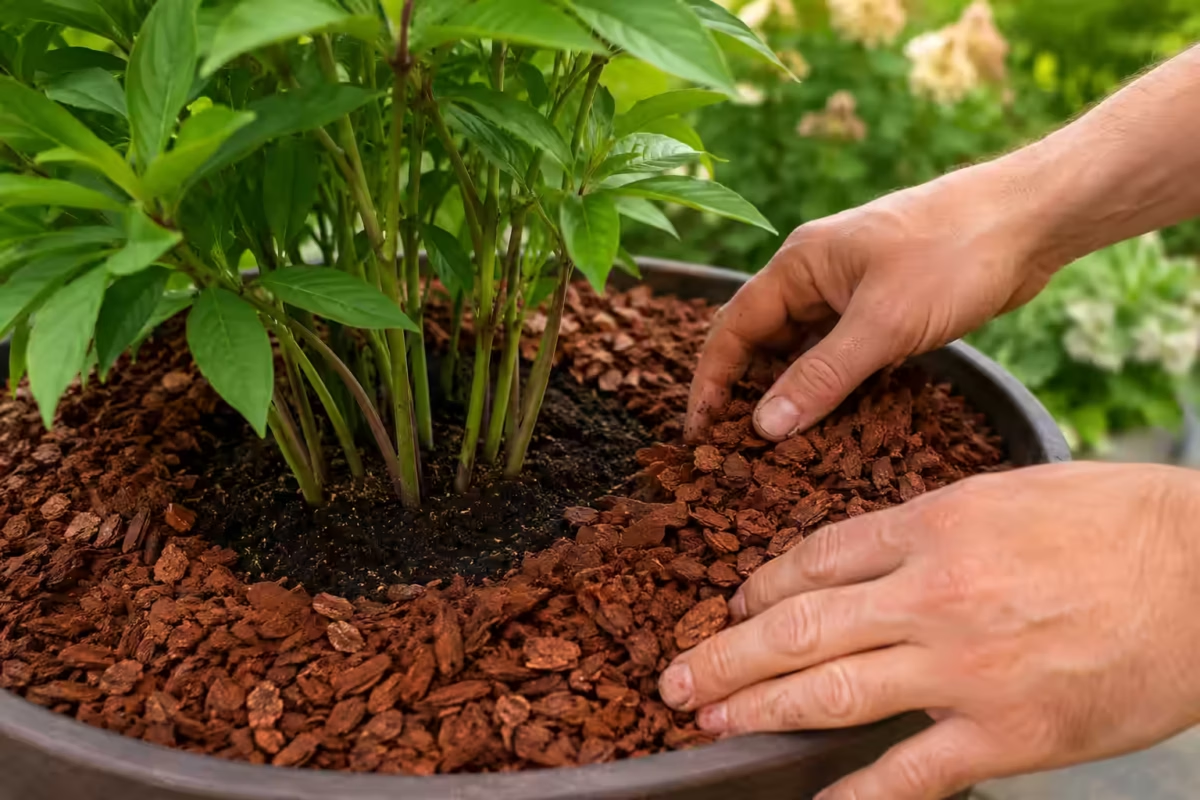
A layer of bark on top of the compost can help planters lose moisture more slowly during warm, dry weather. It shades the compost surface, reduces the drying effect of sun and wind, and gives containers a neat, finished appearance. It does not replace regular watering, but used correctly it can make moisture levels more consistent and help plants cope better between waterings.
The quick answer
Water the planter thoroughly, then spread approximately 2–4 cm of suitable bark over the compost. Leave a small clear gap around stems and make sure drainage holes remain unobstructed. Check the compost beneath the bark before watering again rather than judging it by the dry-looking surface.
Why planters dry out so quickly
Plants growing in borders can send their roots through a large volume of soil. A plant in a pot, trough or window box has access only to the compost inside that container. On a warm day, the sun heats the pot and the exposed compost while wind carries moisture away from the surface. Small containers, dark-coloured pots and planters positioned against warm walls can dry especially quickly.
This matters because repeated cycles of becoming very dry and then being soaked can stress plants. Flowers may fade sooner, leaves can droop or develop dry edges, and compost that has dried severely may initially allow water to run down the sides rather than soaking evenly into the root ball.
How bark helps retain moisture
- It shades the compost. Less direct sunlight reaches the surface, so it heats and dries more slowly.
- It reduces evaporation. Bark forms a loose protective layer between moist compost and moving air.
- It moderates temperature changes. The root area is less exposed to sudden heating during the day.
- It reduces surface crusting and splash. Watering is less likely to disturb the compost or splash it onto leaves, flowers and the surrounding area.
- It improves appearance. Bark hides bare compost and gives mixed planters and larger specimen pots a tidy, unified finish.
Bark is particularly useful for larger outdoor containers, established patio plants and decorative planters that are exposed to several hours of sun. The benefit will vary with the weather, container size, plant and position, so continue checking each planter individually.
How to add bark to a planter
1. Check the container first
Make sure the planter has working drainage holes and is not sitting permanently in water. Bark helps slow moisture loss; it cannot correct poor drainage. If the compost has sunk substantially, top it up before adding the bark, while keeping the original planting depth around the stem.
2. Remove weeds and debris
Take out weeds, fallen petals and dead leaves. A clean surface makes the finished planter look better and avoids trapping decaying material directly around the plant.
3. Water the compost thoroughly
Apply bark after watering, not as a cover over compost that is already bone dry. Water slowly enough for it to soak into the root area. If the compost has pulled away from the pot, water in stages and allow time for it to rehydrate.
4. Add an even layer
Spread roughly 2–4 cm of bark across the surface. Very fine containers may need a shallower layer so there is still room below the rim for watering. Avoid piling bark deeply simply to fill an oversized pot.
5. Keep bark away from stems
Leave a little breathing space around the base of each plant. Bark pressed tightly against soft stems or crowns can hold unwanted moisture against them. The aim is to cover the compost, not bury the plant more deeply.
Watering planters after adding bark
The surface of the bark is not a reliable watering guide. Push a finger carefully through the layer and feel the compost a few centimetres below. If it still feels cool and moist, the plant may not need more water yet. If it feels dry at root level, water slowly and thoroughly.
Direct the water through the bark onto the compost, giving it time to penetrate rather than running over the edge. Early morning is often a practical time to water outdoor containers in hot spells because plants begin the day hydrated and less water is lost immediately to strong midday heat.
Important: bark does not make a planter self-watering
Containers can still dry rapidly during very hot or windy weather. Recently planted containers and thirsty flowering plants may need frequent checks. Bark reduces moisture loss; it does not remove the need to inspect, water and feed plants appropriately.
Which bark should you use?
Choose clean horticultural bark or decorative bark intended for use around plants. Medium or fine grades generally sit more neatly in containers than large landscaping chunks. Check the packaging for suitability, particularly if the planter contains acid-loving or specialist plants.
For small pots, alternatives such as horticultural grit or decorative gravel may look more in proportion. These can also shade the compost surface, although their weight and heat retention differ from bark. Whichever material you choose, keep the layer modest and the plant’s crown clear.
Common mistakes to avoid
- Adding bark over completely dry compost without rehydrating it first.
- Using such a deep layer that water cannot be directed easily into the pot.
- Piling bark against stems, trunks or the crown of the plant.
- Assuming every planter needs water on the same schedule.
- Using bark to disguise a pot with blocked drainage or waterlogged compost.
- Mixing fresh decorative bark deeply into established potting compost; use it as a surface layer instead.
Is bark suitable for every container?
Not always. Very small pots may have too little surface area, succulents and plants that prefer a drier crown may be better finished with grit, and indoor containers require careful watering because evaporation is already slower. Bark is most useful where a suitable outdoor planter is drying from an exposed compost surface.
If a plant repeatedly wilts despite careful watering, look beyond the mulch. It may be root-bound, positioned in excessive heat, planted in unsuitable compost or growing in a container that is simply too small. Repotting or moving it may help more than adding another layer of bark.
Frequently asked questions
Does bark stop pots drying out?
No. Bark slows evaporation from the compost surface, but plants still use water and pots still lose moisture. Check the compost regularly during warm weather.
How thick should bark be in a planter?
A layer of around 2–4 cm is usually enough for a medium or large outdoor planter. Use less in small containers and leave space below the rim so you can water properly.
Can I put bark around all plants?
Many established outdoor container plants can benefit, but do not pack bark against stems or crowns. For plants that prefer very free-draining, dry conditions, decorative grit may be a better surface covering.
Should I water on top of the bark?
Yes. Water slowly so it passes through the bark and reaches the compost rather than running over the edge. Check the moisture below the bark before deciding whether watering is needed.
A simple finishing touch for healthier-looking planters
Used properly, bark is an inexpensive way to reduce evaporation, protect the compost surface and give patio containers a cleaner finish. Water first, apply a sensible layer, keep it clear of stems and continue checking the root area throughout hot spells.
For more seasonal help, read our guide to keeping outdoor plants healthy in hot weather. You can also visit our florist FAQ hub or contact The Flower Fountain for advice about plants and flowers available from our Stoke-on-Trent shop.
